
Social Media Ban for Kids: Why It’s Not Enough
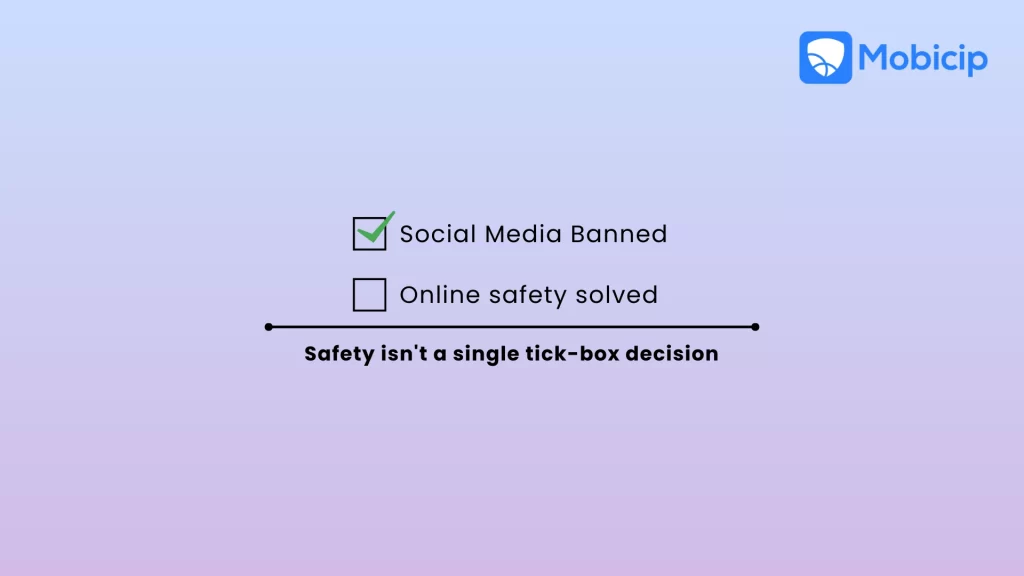
Social Media Ban for Kids might seem like the easiest way to protect them online. Limiting access appears to shield children from cyberbullying, inappropriate content, and online predators. However, studies and real-world experience show that a simple ban isn’t enough. Kids are curious, tech-savvy, and socially connected, so strict restrictions can sometimes backfire, encouraging secretive behavior or making them anxious about missing out.
In this article, we explain why a social media ban for kids isn’t foolproof and share practical digital parenting strategies. We’ll also show how tools like Mobicip can help parents monitor, guide, and ensure safe online experiences without completely restricting access.
Exploring the Reasons Why Many Parents Consider a Social Media Ban for Kids
Parents often see banning social media as a straightforward solution. Their main concerns include:
- Exposure to inappropriate content. From violent videos to age-inappropriate posts.
- Cyberbullying and harassment. Social platforms can amplify peer pressure and conflicts.
- Excessive screen time. Kids may spend hours online, affecting sleep, study, and social development.
- Online scams and predators. Unsuspecting children may share personal information or fall for fraudulent content.
Identifying the Real Limitations of a Social media ban for kids
A social media ban for kids may seem like a simple way to protect them online. Limiting access appears to shield children from cyberbullying, inappropriate content, and online predators. However, such bans often underestimate how tech-savvy and resourceful children can be. Strict restrictions can unintentionally create stress, secrecy, and missed opportunities for growth.
Ways That Children Find Workarounds to a Social media ban for kids
Even when parents block apps on devices, children frequently find creative ways to bypass restrictions. Common strategies include:
- Using VPNs or proxy servers: Tech-savvy teens can install tools that hide their activity and bypass filters.
- Logging in through friends’ devices or secondary accounts: Peer pressure or curiosity may push children to access social media elsewhere.
- Installing apps on hidden or secondary devices: Some children may have extra devices where restrictions don’t apply.
These workarounds reduce the effectiveness of strict bans and make it harder for parents to supervise online behavior.
Addressing the Hidden Emotional Risks of a Social media ban for kids
Outright bans can also trigger unintended emotional consequences:
- Anxiety and FOMO (Fear of Missing Out): Teens may feel socially isolated, stressed, or left out from online friend groups.
- Rebellion: Feeling restricted can motivate teens to deliberately circumvent rules to assert independence.
Such pressures can harm both mental well-being and the parent-child relationship if not addressed with open communication.
Exploring the Missed Opportunities for Learning During a Social media ban for kids
Social media isn’t all negative. When guided responsibly, it can:
- Develop digital literacy skills
- Foster creativity and collaboration
- Encourage problem-solving and critical thinking
Banning access entirely may prevent children from learning how to navigate digital spaces safely and responsibly.
Strained Relationships and a Social media ban for kids
Strict restrictions can unintentionally breed mistrust. Children may hide their online activity or lie about usage, making it difficult for parents to teach safe online habits effectively. A collaborative approach that combines guidance with monitoring helps maintain trust.
Discovering Safer Alternatives to a Social media ban for kids
Banning social media may seem like a straightforward solution, but there are more effective ways to guide your child’s online behavior. Instead of relying on restrictions alone, parents can adopt strategies that combine education, monitoring, and open communication, helping kids enjoy social media safely and responsibly.
Using Parental Controls and Monitoring Tools
Rather than completely blocking access, parental control apps like Mobicip can help children explore social media while staying protected. These tools allow you to:
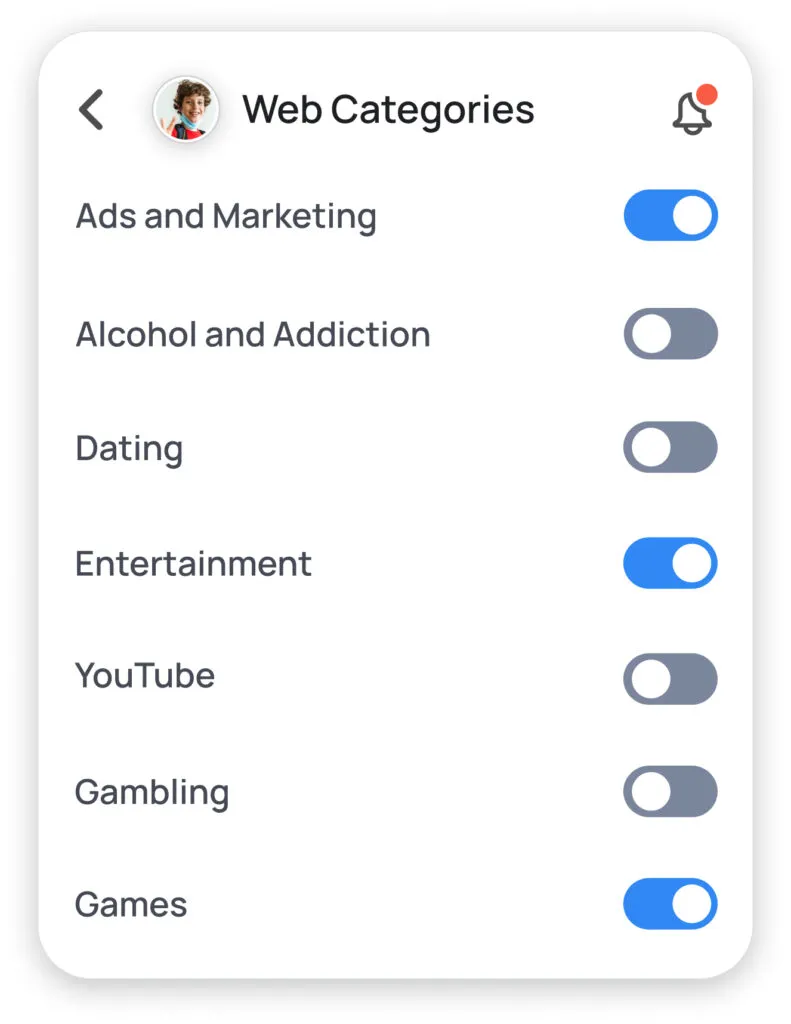
- Filter inappropriate content to prevent exposure to harmful material
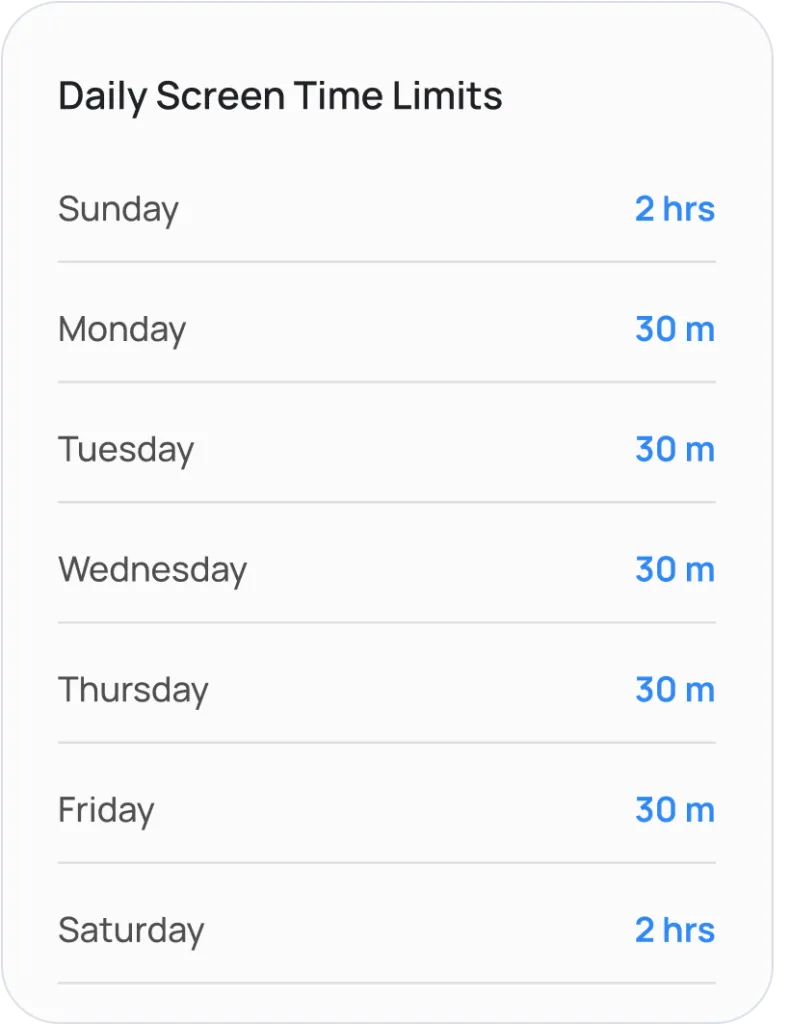
- Set healthy screen-time limits on apps and devices
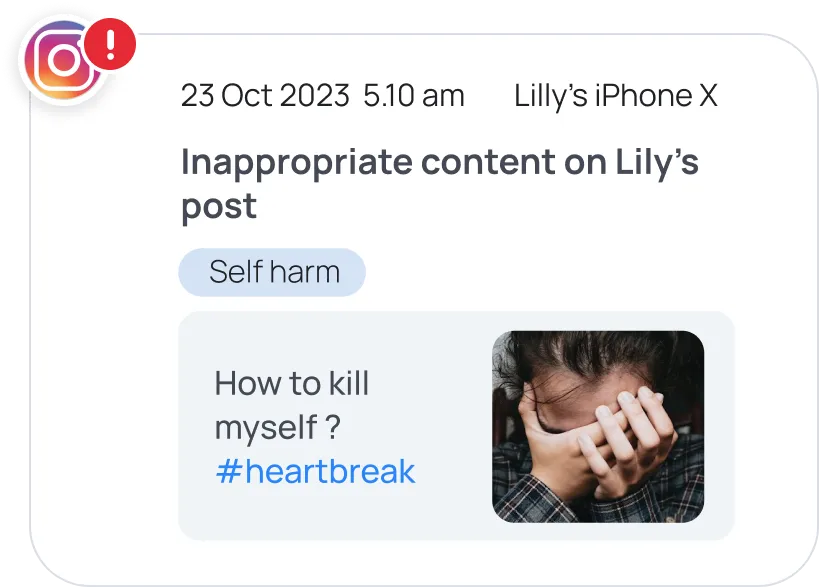
- Monitor activity to identify signs of risky behavior

Encouraging Responsible Social Media Use
Teaching children how to use social media responsibly is more effective than imposing outright bans. Parents can help by:
- Discussing digital footprints and online privacy
- Teaching children to identify misinformation and scams
- Encouraging positive social interactions online
By fostering understanding, children develop safe online habits instead of simply obeying rules. Regular conversations create a safe space for children to:
- Share online experiences openly
- Seek advice when encountering risky content
- Understand the reasoning behind rules rather than following them blindly
Role Modeling Healthy Online Behavior
Parents can lead by example, demonstrating positive habits such as:
- Using social media responsibly
- Limiting screen time during family interactions
- Practicing mindful posting and sharing
By combining education, dialogue, and parental modeling, children develop lifelong digital literacy skills that extend far beyond temporary restrictions.
How to Develop Digital Literacy Skills
Digital literacy is more than knowing how to use apps—it’s about understanding how to navigate the online world safely, critically, and responsibly. Developing these skills early helps children make informed decisions, protect their privacy, and engage meaningfully online.
Teach Critical Thinking Online
Encourage children to question and evaluate what they see:
- Verify the reliability of posts, videos, and news sources
- Recognize misinformation, scams, or clickbait
- Understand how content can influence emotions and opinions
Build Awareness of Digital Footprints
Children should learn that their online actions leave traces:
- Posts, comments, and shared media can be permanent
- Privacy settings are important for controlling who sees their content
- Oversharing personal information can lead to risks
Encourage Responsible Digital Communication
Digital literacy also involves social and emotional skills:
- Interact respectfully with peers online
- Understand the impact of words on others
- Manage conflicts or disagreements constructively
Use Tools to Reinforce Learning
Apps like Mobicip can support digital literacy by:
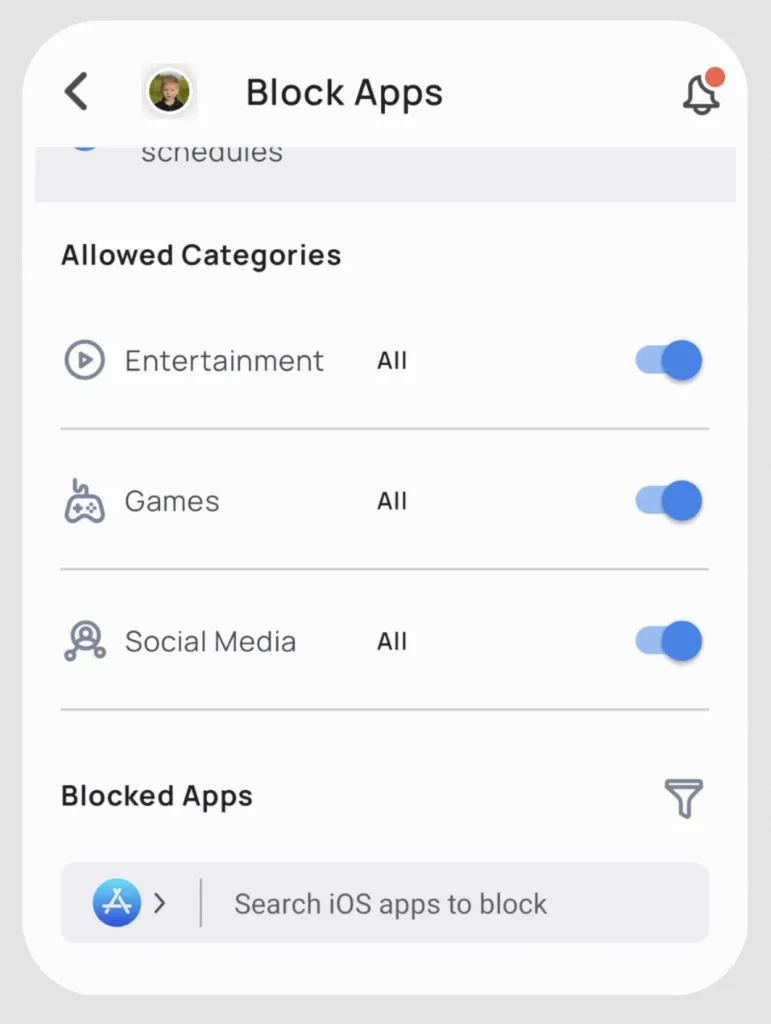
- Filtering inappropriate content
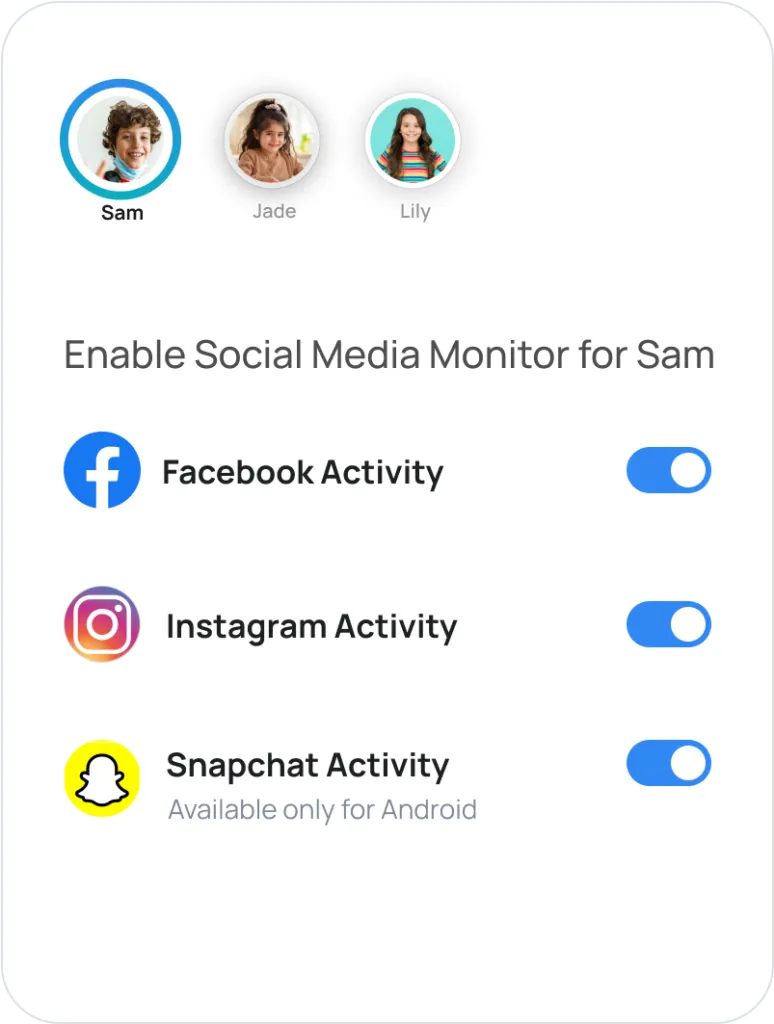
- Allowing parents to monitor and guide online activity
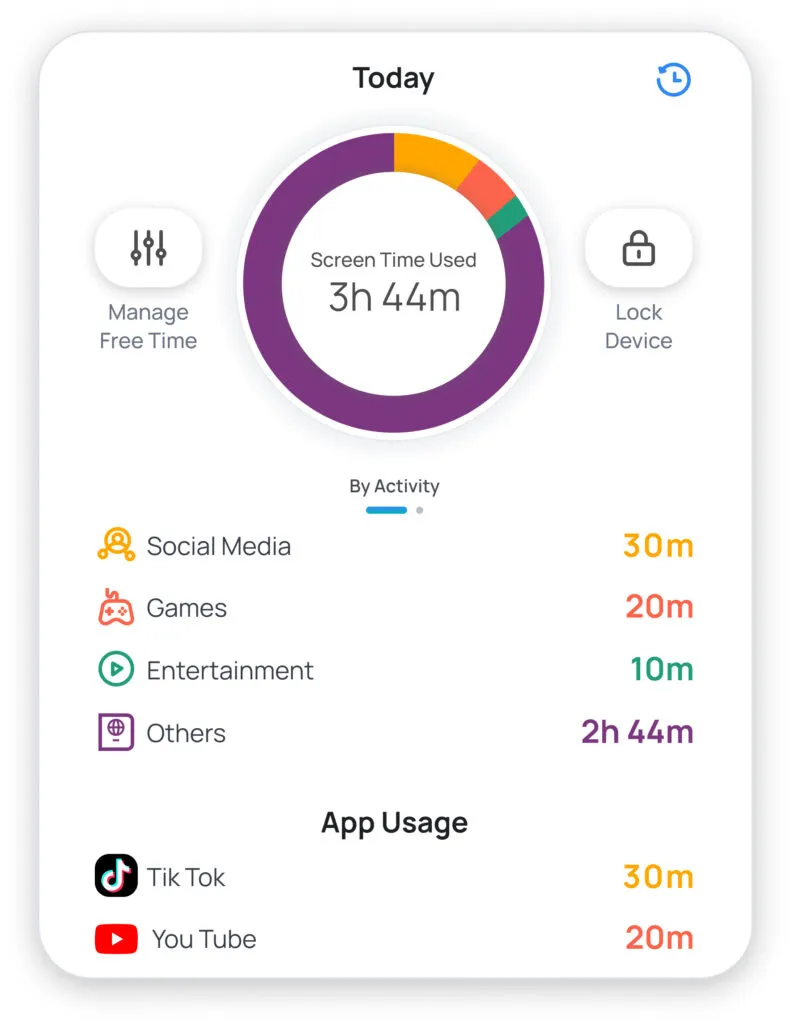
- Screen time control
By fostering digital literacy, children not only stay safer online but also gain the confidence and judgment to navigate social media, apps, and online communities responsibly, skills that will serve them well throughout life.

Real-World Examples
Emma, a 14-year-old, had her access to Instagram completely blocked by her parents. At first, she understood their concerns, but over time, she felt increasingly disconnected from her friends. To keep in touch, she secretly created another account. The experience left her stressed and anxious, and it strained the trust she had with her parents.
On the other hand, Liam, another teen, approached social media differently. His parents didn’t ban platforms outright but set clear limits, used content filters, and scheduled weekly check-ins to talk about his online experiences. With this guidance, he felt safe and supported, while still staying socially connected and enjoying the benefits of social media.
These contrasting experiences show that the key isn’t simply restricting access. It’s helping kids navigate the online world with guidance, conversation, and the right tools. When parents combine boundaries with trust, teens can learn to use social media responsibly and confidently.
Take Away
Looking ahead, the goal isn’t to control every click or ban every platform, but to help children develop confidence, judgment, and balance in the digital world. Social media is becoming an integral part of how kids learn, connect, and express themselves, and guiding them thoughtfully now sets the stage for lifelong habits.
Parents have a unique opportunity to turn online experiences into learning moments, showing children how to make responsible choices, recognize risks, and engage creatively and safely. Tools like Mobicip can support this journey, giving families the structure to explore digital spaces without fear or secrecy.
Ultimately, digital parenting is less about restrictions and more about partnership: staying involved, listening, and modeling healthy habits. By approaching social media with curiosity, guidance, and trust, we can help children thrive online while developing the resilience and skills they will carry well into the future.

Frequently Asked Questions (FAQs)
Is a social media ban for kids effective?
A social media ban for kids may reduce exposure temporarily, but it is rarely effective on its own. Children often find workarounds, and strict bans can discourage open conversations. Guided use combined with supervision tends to be more sustainable.
What is a better alternative to banning social media entirely?
A balanced approach works better. This includes parental controls, clear screen-time limits, ongoing conversations about online behavior, and teaching digital literacy so children can make safer choices independently.
At what age should kids be allowed to use social media?
The American Academy of Pediatrics suggests waiting until children are at least age 13 before starting social media accounts like Instagram, Snapchat, and TikTok. However, Readiness depends on maturity, ability to handle peer pressure, and understanding of online risks. Parents should assess individual readiness rather than relying on age alone.
How can parental control tools help with kids’ online safety?
Parental control tools like Mobicip allow parents to filter inappropriate content, manage screen time, and monitor online activity. These tools support safety while still allowing children to learn and explore responsibly.
Does using parental controls harm trust between parents and children?
Not when used transparently. Explaining why controls are in place and involving children in setting boundaries helps maintain trust and encourages shared responsibility rather than secrecy.
How can parents teach responsible social media use?
Parents can teach responsibility by discussing privacy, digital footprints, and respectful communication, modeling healthy online habits themselves, and keeping regular, judgment-free conversations about online experiences.