Christmas & New Year Photo Sharing Safety Tips for Teens
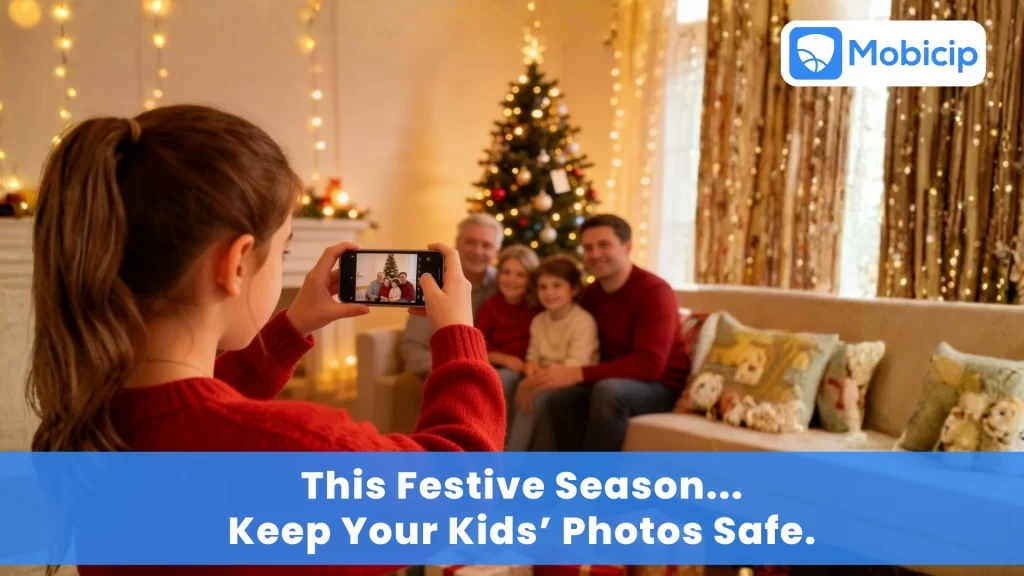
As teens share holiday moments from the Christmas and New Year season online, subtle privacy concerns can appear without families realizing it. A cheerful photo can quietly expose a location, routine, or personal detail that reaches far beyond a teen’s circle of friends. And in a season when excitement runs high and caution runs low, online safety during the holidays becomes even more important, because small slips can quickly grow into bigger concerns.
In this guide, we uncover the hidden risks behind festive-season photo sharing—like location leakage, oversharing gifts or travel plans, and others resharing a teen’s images beyond their intended audience. We’ll walk through the most common pitfalls parents miss during Christmas and New Year, practical steps to help teens post more safely, and simple conversations families can use to build awareness. And, we’ll show how Mobicip can support parents with tools that strengthen privacy, set healthy boundaries, and create a safer digital environment during this very active time online.
The Hidden Risks of Online Safety During the Holidays
Festive seasons can be chaotic. Families move constantly between homes, malls, restaurants, concerts, and churches during the many events and outings each week. This fun rush can make us less alert about online safety at a time when it matters most.
More parties usually mean more photos — group shots, spontaneous snaps, and festive backdrops. But decorations inside the home can accidentally reveal personal details. “Holiday haul” posts or unboxings might expose expensive or private items. It’s important to keep children’s privacy and security in mind when sharing anything online.
The excitement of the holidays can also encourage teens to post more frequently as they document their experiences. There’s nothing wrong with that, as long as they’re mindful of what they share. Even when nothing seems obviously harmful, small details can carry subtle risks that easily go unnoticed.
7 Festive Hazards Impacting Online Safety During the Holidays
Location Leakage via Holiday Decor
While there may not be anything explicit revealing one’s location, Christmas trees, balcony views, neighbourhood decorations, church signs, and street lights are all details that may give one’s vicinity away. Of course, it is oftentimes impractical to be one hundred percent in the clear regarding location leakage. However, it may be wise to teach teens to check that nothing too obvious is in the frame before posting.
Gift Exposure and Digital Scams
Posting new phones, tablets, gaming consoles may sometime invite digital scams and theft. It is useful to promote mindful sharing and online vigilance to avoid falling prey to such crimes.
Background Privacy and Consent
Photos often capture other children or strangers at parties who may not feel comfortable having their images posted online.The same goes for group photos with family members or friends who are unaware that these photos will later be shared online. It is always useful to teach teens to get people’s consent before sharing whenever possible or to try and obscure highly-visible people in the background – especially if they are children. Countdowns to the New Year, for example, are quite common to film and post during the festive season and often feature large crowds who are quite likely to appear on media of the event.
Party Photos and Long-term Digital Footprints
Teens may share photos or videos from parties that reveal alcohol or personal moments. Here too, mindful sharing is to be encouraged. Sensitive information, when posted online, may backfire or cause trouble for the teen down the line. Teaching them to be aware of their following and consider the long-term impact of what they share is important.
Hashtags and Stranger Interaction Risks
Trending festive hashtags (for example, #ChristmasEve, #NYE2026) can expose one’s posts to a large audience and attract any number of unknown adults. Encouraging private accounts among teens or at the least limited interaction with strangers online is wise.
Screenshot culture
Photos from the festive season, especially party photos, may get reshared quickly, sometimes mockingly. Should one’s teen experience any cyberbullying or online trolling, it is important to step in immediately and report accounts that may be engaging in this behaviour and contact the appropriate authorities if necessary.
AI misuse
With a new wave of AI editing software, photos from celebrations can be modified or misused easily. Should this happen, it is once again important to step in immediately and report the incident.
Proactive Tips for Online Safety During the Holidays
Although sharing festive media involves risks, parents can take several steps to ensure online safety during the holidays . Some of these include:
- Ensure teens turn off location tagging for photos and stories.
- Encourage teens to set their accounts to private before the festive season starts.
- Discourage posting gift photos publicly, especially expensive ones.
- Check backgrounds for any revealing decor, windows, and objects before taking group photos
- Ask teens to limit who can see festive stories, especially ones with personal or sensitive details. This can be done through online features such as Close Friends, private groups, etc.
- Encourage teens to ask for people’s consent before posting group photos. When hosting parties, let the guests know that photos may be taken and shared.
- Encourage sharing in family groups instead of posting publicly as much as possible.
Using Mobicip for Enhanced Online Safety During the Holidays
In addition to the above steps, parents can also download parental safety apps such as Mobicip to ensure online safety during the holidays . Parents can use Mobicip to:
- Monitor risky apps
- Filter unsafe content
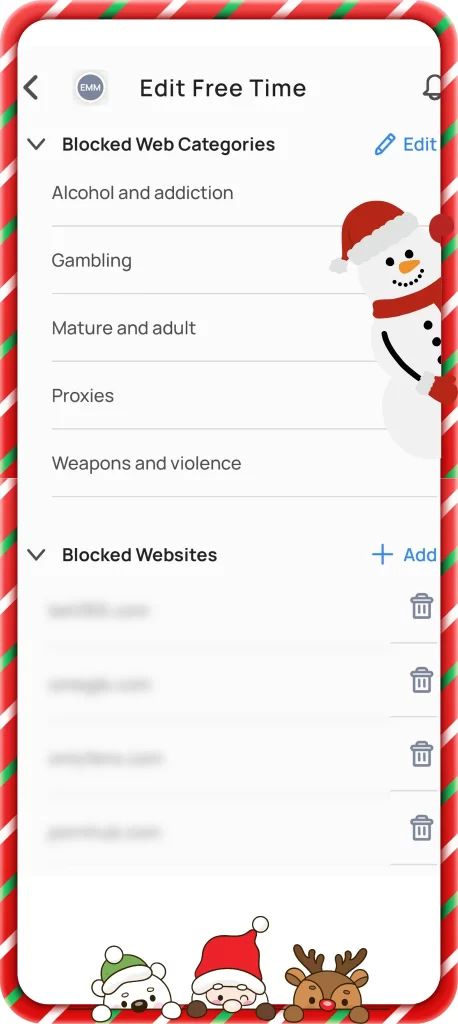
- Set screen-time limits during parties
- Receive alerts for unsafe sharing or behaviour
Mobicip’s blog shares platform-specific risks, including Instagram and TikTok, to help parents strengthen their family’s overall online safety strategy.

Family Discussion Guide: Talking About Holiday Privacy
While teaching teens about online safety during the holidays is vital, parents should avoid being too harsh or inflexible when setting digital boundaries. Open conversations, discussions, and negotiations are usually the way to go. Some useful conversation starters can help teens think about the issues outlined in this post:
“Is this Christmas photo revealing anything about our home?”
“Can we keep this gift photo private?”
“Who might see your New Year’s Eve post?”
“Does everyone in this group shot want to be online?”
Educating adolescents on the underlying principles and values of privacy and security rather than simply ordering them to do certain things is a good way of ensuring everyone starts the season on common ground.
Conclusion
While the festive season is often a fast-paced, dynamic time that can never quite be planned to the T, it is useful to keep a rough checklist of online safety tips in mind before its commencement. This post outlines several suggestions for this checklist. Personal responsibility and assistive apps such as Mobicip can help make the experience feel more organized and secure. Christmas and New Year photos and videos are excellent ways of preserving wonderful memories. A little care ensures those memories stay joyful — and safe.